Credit Card to Bank Transfer: Best Apps in India (2026)
31 October 2026

I have used credit cards for 20 years now. For the past 8 of those, I haven't paid for a flight, a hotel room, forex markup, or a service fee, simply because I manage my cards carefully. I've also seen the other side — the desperation that makes someone move money from a credit card to a bank account at 2.5% per month plus fees. This guide isn't about encouraging that habit. It's about showing you the best apps and cards for a credit card to bank transfer in India, with the real numbers, so you can decide if it's worth it.
If you're in a hurry and need the bottom line: the best app for credit card to bank transfer is your own bank's mobile app, if your card supports instant transfers. For third-party options, BharatNXT (for business payments) and MobiKwik (for wallet loading) are the most transparent. The trick is to use a card that charges the lowest cash advance fee and interest rate — and most people don't know that not all cards are equal here.
| Rank | Card | Best For | Annual Fee |
|---|---|---|---|
| 1 | Airtel Axis Bank Credit Card | Airtel users, direct bank transfer option | ₹500 |
| 2 | HDFC Bank MoneyBack+ Credit Card | Everyday spenders, no-fee transfer via apps | ₹500 |
| 3 | ICICI Bank Amazon Pay Credit Card | Amazon shoppers, occasional wallet transfers | ₹0 |
| 4 | SBI Card PRIME | High spenders needing higher limits | ₹2,999 |
| 5 | IDFC FIRST Wealth Credit Card | Affluent users, lower cash advance costs | ₹0 |
| 6 | Axis Bank Neo Credit Card | Students, first-time cardholders | ₹0 |
| 7 | HDFC Bank Millennia Credit Card | Online shoppers paying merchants via transfer | ₹1,000 |
| 8 | YES BANK ACE Credit Card | Value seekers, wallet loading | ₹499 |
| 9 | RBL Bank World Safari Credit Card | Travellers needing occasional cash | ₹3,000 |
| 10 | IndusInd Bank Legend Credit Card | Premium lifestyle with standard cash advance | ₹999* |
*Fee for IndusInd Legend not listed in our database; check bank website.
- Airtel Axis — best direct bank transfer feature among listed cards, plus huge Airtel cashback.
- HDFC MoneyBack+ — reliable low-fee card for third-party transfer apps.
- ICICI Amazon Pay — zero fee card, easy wallet loading to bank.
- SBI PRIME — high credit limit for larger transfers when needed.
- IDFC Wealth — lower cash advance costs with premium benefits.
What Does Credit Card to Bank Transfer Mean?
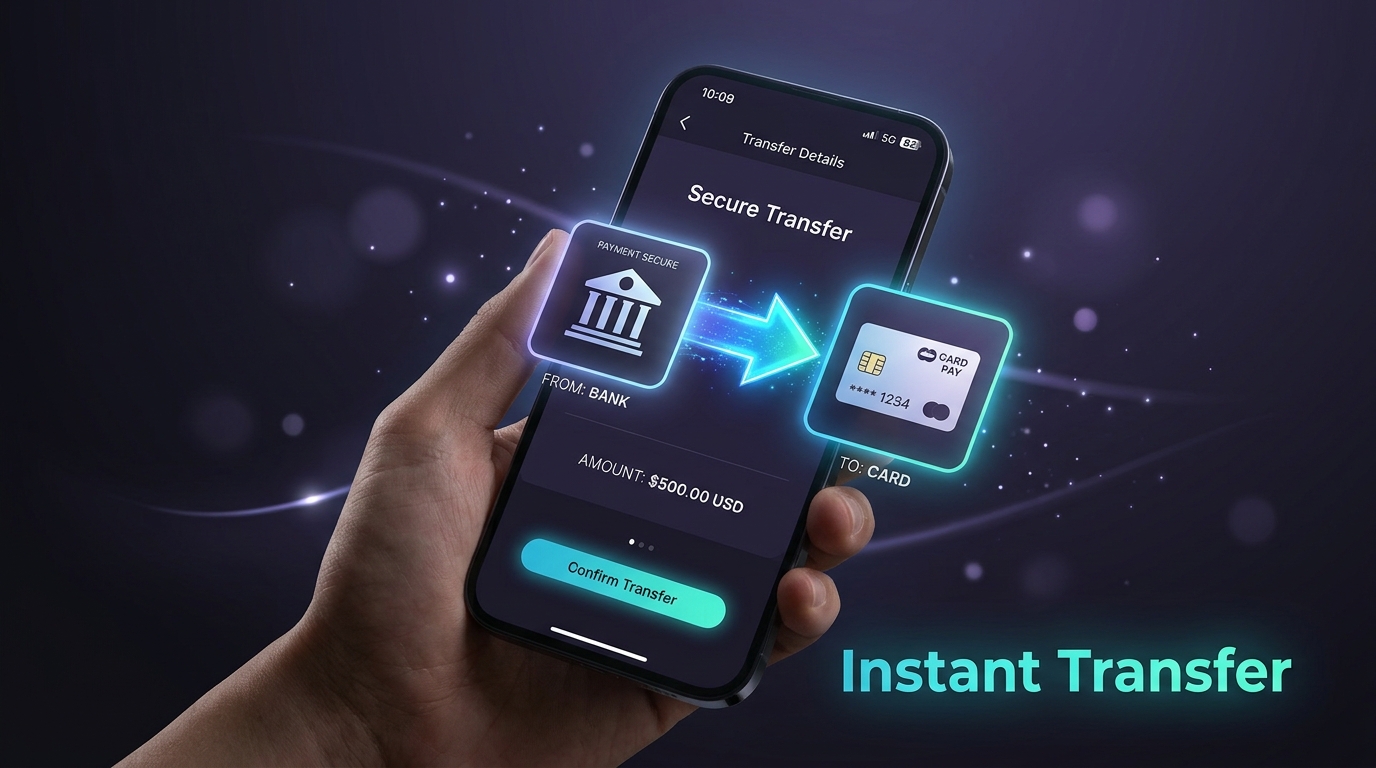
A credit card to bank transfer is exactly what it sounds like: you move money from your credit card's available limit into a bank account. It's not a normal purchase transaction. In most cases, the card issuer treats it as a cash advance, which means interest starts accruing from that same day — no interest-free period. Some banks and apps call it a "credit card to bank account transfer" or "send money to bank from credit card."
You can do it through your bank's mobile app (if the card supports it), through a third-party app that facilitates wallet loads or business payments, or even via an ATM cash withdrawal followed by depositing cash. But not every card is eligible, and the costs vary widely.
How to Transfer Using Apps (Step-by-Step)
If you have a card that allows direct transfers, the process is usually simple. Here's what I've seen work.
Using your bank's mobile app
- Open your bank's app and go to the credit card section.
- Look for "Transfer to Bank" or "Send Money to Account."
- Select the amount and your bank account.
- Review the fee and interest details. This is the part people skip.
- Confirm and the money arrives almost instantly.
For example, the Airtel Axis Bank Credit Card offers this feature to eligible cardholders directly in the Axis Bank app. You can move a portion of your credit limit to your bank account with a processing fee of about 2-3% plus GST. Interest applies from day one at the card's cash advance rate.
Using third-party apps
Apps like BharatNXT let you pay merchants who don't accept cards directly, then the merchant transfers that money to your bank. It's designed for business-to-business payments, but some individuals use it. Fees are typically 1.5-2.5% plus GST.
Wallet apps like MobiKwik or Paytm work differently: you load money into the wallet using your credit card, then transfer from wallet to bank. Loading a wallet with a credit card often attracts a fee (around 2-3%), and wallet-to-bank transfers may have a separate charge. It works, but you pay twice.
CRED does not offer a direct credit card to bank transfer. It lets you pay credit card bills and manage cards, but moving money to your bank isn't supported. I see this misconception often. If you want to pay your credit card bill for cashback, CRED is fine, but it won't move funds to your bank.
Best Apps and Services for Credit Card to Bank Transfer
This is where most articles get vague. Here's my honest shortlist based on what I would actually recommend to a friend in 2026.
- Your bank's mobile app — if your card supports direct transfer, this is almost always the cheapest and fastest. No middleman. The fee and interest are shown upfront.
- BharatNXT — best for business payments. You can pay a vendor via credit card even if they don't have a card machine, and the vendor transfers the amount to their bank. Fees are clear, but you need a registered business.
- MobiKwik — good for small, occasional transfers. Load wallet with credit card, then transfer to bank. Charges around 2.5-3% total, sometimes lower during promotions.
- Paytm — similar to MobiKwik. Supports wallet load via credit card and then bank transfer. Fees vary, and sometimes credit card loading of Paytm wallet is blocked.
- GoPaisa — another wallet option mentioned in several forums. Less widely used, so I'd stick with the bigger names unless you find a specific offer.
Remember, none of these are free. The best app is the one that gives you the lowest total cost for your specific card and amount. Before choosing, compare credit cards to see which of your cards has the lowest cash advance fee and interest rate.
Credit Cards That Offer Direct Bank Transfer Features
Most banks don't advertise this feature widely, but several cards support a transfer to bank account from the issuer's app. From my list, the Airtel Axis Bank Credit Card is the most prominent with an explicit money transfer option. I've seen the feature available in the Axis mobile app for eligible cardholders.
Here are the top cards I would consider for credit card to bank transfer, ranked by overall value:
1. Airtel Axis Bank Credit Card
This card earns the top spot because it combines a genuine utility (Airtel bills cashback) with a direct bank transfer option. You can move a portion of your credit limit to your bank account through the Axis app. The processing fee is typically 2-3% plus GST, and interest applies from day one. If you have an Airtel connection, the 25% cashback on Airtel bills is excellent. For transfers, the fee is in line with a normal cash advance, but at least it's straightforward. The annual fee is ₹500, which is waived on ₹2 lakh annual spend. One drawback: a 3.5% forex markup, so not for international use.
2. HDFC Bank MoneyBack+ Credit Card
This is my recommendation for a low-fee card you can use with third-party transfer apps. It has no direct bank transfer feature from HDFC (as of now), but you can use it to load wallets or pay via BharatNXT if you have a business need. The card itself gives 10X cashpoints on Amazon, Flipkart, Swiggy, and BigBasket — useful if you shop online. Fees: ₹500 annually, waived at ₹50,000 spend per quarter. The big drawback for transferring is that you'll pay the third-party app's fee plus your card's cash advance interest, which can add up fast.
3. ICICI Bank Amazon Pay Credit Card
This is a lifetime free card with solid Amazon rewards for Prime members. For transfers, you can load the Amazon Pay wallet using the card, but moving that balance to a bank account is tricky. Many people use apps like MobiKwik to load a wallet and then transfer to bank; with this card, you'd pay the wallet load fee. It's not the cheapest for transfers, but the card costs nothing to keep, making it a good backup. Don't forget it has a low 1.99% forex markup if you ever travel.
4. SBI Card PRIME
This is a premium card with a higher credit limit for most users, which means you can transfer larger amounts if needed. SBI Card allows cash advance via net banking, but the interest rate is on the higher side. The card itself offers good rewards on dining, groceries, and movies, plus lounge access. Annual fee is ₹2,999, waived on ₹3 lakh spend. Only consider this if you already value the lifestyle benefits; for transfers, the high fee and interest make it less attractive.
5. IDFC FIRST Wealth Credit Card
IDFC FIRST has one of the lowest cash advance fees among private banks, often around 1.5% plus interest. This card has zero annual fee and a 1.5% forex markup — great for occasional international use. It's not a transfer-focused card, but if you ever need a cash advance, the costs are lower than most. The downside is that you need a good credit score to get it, and reward rates are just okay.
6. Axis Bank Neo Credit Card
This lifetime free card is a good starter option. Axis Bank may offer the same transfer feature on this card as on the Airtel variant, but you'll need to check the offer in the app. It has a 3.5% forex markup and no annual fee. For a first-time cardholder, it's simple and free to keep. Just don't expect premium benefits; the transfer feature, if available, is the main value here.
7. HDFC Bank Millennia Credit Card
This is one of the best cashback cards for online spending, with 5% back on Amazon, Flipkart, Swiggy, Zomato, and many more. It doesn't have a direct bank transfer option, but you can use it with third-party apps if you're paying a merchant who transfers to you. The annual fee is ₹1,000, waived at ₹1 lakh spend. For transfers, the third-party fees apply, but the card itself is a winner for daily spending.
8. YES BANK ACE Credit Card
A solid lifetime free card with 1.5% unlimited cashback on all spends (except fuel). It can be used to load wallets for transfers. The annual fee is ₹499, waived at ₹50,000 spend. The main drawback for transfers is that wallet loads with a credit card often attract a fee from the wallet provider, so your effective cost is higher than the cashback you earn.
9. RBL Bank World Safari Credit Card
If you travel abroad, this card's zero forex markup is a big deal. It can be used for cash advances via RBL net banking, but the fees are not clearly published — you'd need to contact the bank. The annual fee is ₹3,000, which is only worth it if you use the travel benefits. For transfers, there are better options.
10. IndusInd Bank Legend Credit Card
This card offers good lifestyle benefits on dining, movies, and travel. It has a standard cash advance facility, but fees and interest rates vary. The annual fee is around ₹999 (confirm on the bank's website). It's a decent premium card, but for transfers, the cash advance costs are likely to be higher than a specialized option.
Fees, Charges, and Hidden Costs
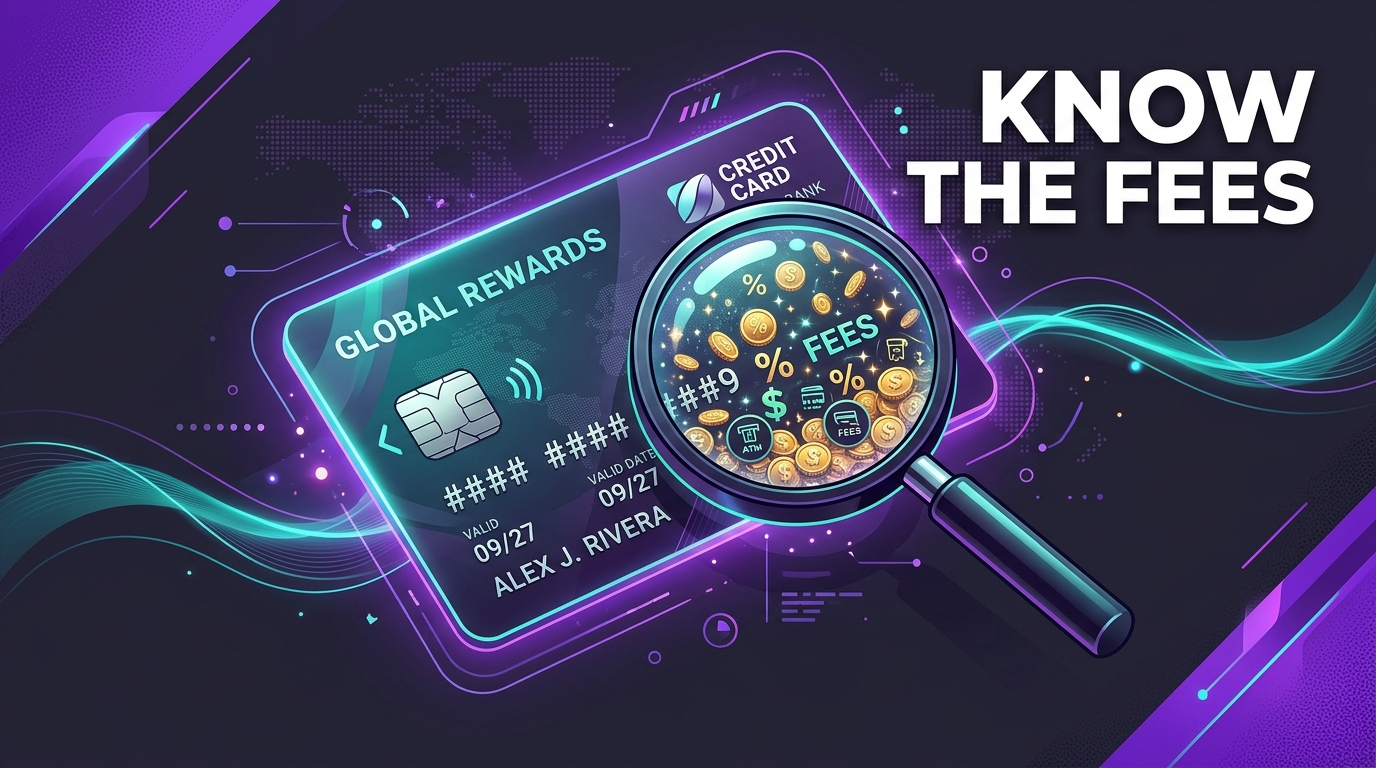
This is the part most people ignore until the bill arrives. Here's what you're actually paying when you transfer money from a credit card to a bank account.
- Processing fee: typically 2-3% of the amount, charged upfront. So a ₹50,000 transfer costs ₹1,000-₹1,500 in fees.
- GST: 18% on the processing fee. That adds another ₹180-₹270 on the above example.
- Interest: from day one until you repay. Cash advance rates are often 2.5-3.5% per month (30-42% annualized). If you take 30 days to repay ₹50,000, you'll owe another ₹1,250-₹1,750 in interest.
- ATM cash advance fee: if you withdraw cash from an ATM using your credit card and then deposit it, you pay the same interest plus an ATM fee of ₹300-₹500.
- Third-party service fee: apps like BharatNXT and MobiKwik charge their own fee on top of your card's charges.
So a ₹50,000 transfer could easily cost you ₹2,500-₹4,000 in total for a month. That's an effective rate of 5-8% per month. Unless it's an emergency, this is a terrible deal. If you need to move money regularly, you should find the right credit card for you — because some cards barely support transfers, while others make it cheaper.
Risks and Impact on Credit Score
Beyond fees, there's a real risk to your financial health. Here's what I've learned from two decades of watching credit cycles.
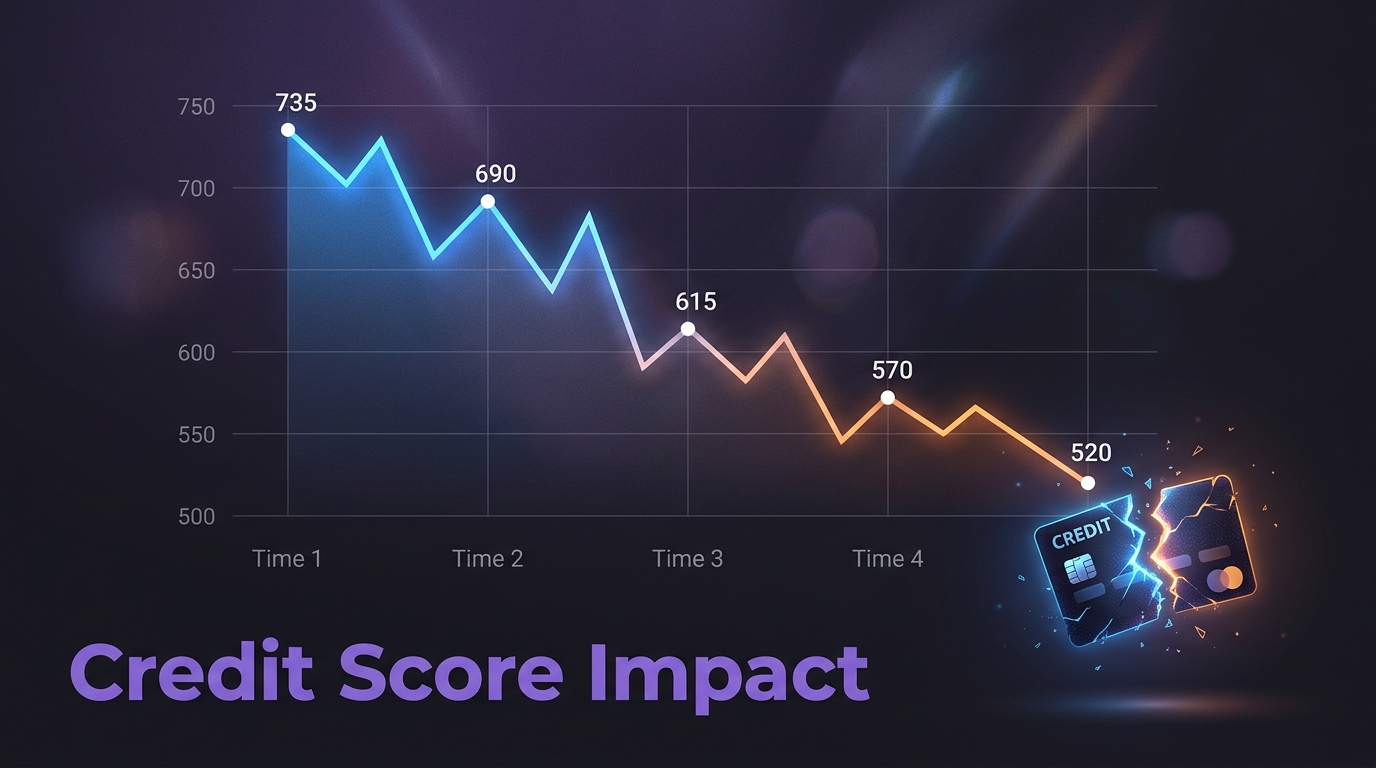
- High credit utilization: transferring a large amount pushes your utilization ratio up. If you use more than 30% of your total credit limit, your credit score can drop.
- Interest accumulation: if you only pay the minimum due, the interest keeps compounding. A ₹50,000 transfer at 3% per month becomes ₹71,000 in a year if you only make minimum payments.
- Debt trap potential: once you start relying on credit card transfers for cash, it's hard to stop. The debt can spiral faster than you expect.
- Signal of financial stress: lenders can see your cash advance activity on your credit report. Frequent transfers may make you look like a higher-risk borrower, affecting future loan or credit card approvals.
I'm not saying never do it. But before you transfer, ask yourself: is this a true emergency, or a convenience? If it's the latter, save up instead. If you're already in debt, consider a balance transfer to a lower-interest option — that's a different conversation.
Safer Alternatives to Consider
If you have time, these options are almost always better than a credit card to bank transfer.
- Personal loan: interest rates start around 10-12% per year, versus 30-42% on cash advances. If you need a lump sum for a planned expense, a personal loan is cleaner and cheaper.
- Borrowing from friends or family: awkward, but interest-free unless you choose to add a small token. Set clear repayment terms to avoid ruining relationships.
- Using savings: the cheapest source of funds. Even liquidating a fixed deposit early beats paying 3% per month.
- Balance transfer: if you already have high-interest credit card debt, transfer it to a card with a lower interest rate or a 0% introductory offer (rare in India, but available on some cards).
And if you're considering a new card partly for this feature, check our list of the best cashback credit cards in India. Sometimes the right cashback card saves you more than a transfer feature ever would.
Which Card for Which Profile?
Here's how I'd match the cards and apps to different situations.
Free cards (no annual fee)
- Student or first job: Axis Bank Neo — free to keep, and you can check if the transfer feature is available for you.
- Amazon shopper: ICICI Amazon Pay — zero fee, good rewards, and can be used with wallets if needed.
Semi-paid cards (₹500-₹1,000 annual fee)
- Airtel user: Airtel Axis — best direct transfer option plus huge bill cashback.
- Online spender: HDFC Millennia — 5% cashback on major platforms, and you can use it with BharatNXT for business payments.
- Value seeker: HDFC MoneyBack+ — low fee, solid rewards, and works with most transfer apps.
Premium cards (₹2,999+ annual fee)
- High spender needing bigger transfers: SBI PRIME — higher limit, but check the cash advance fees before you use it.
- Frequent international traveller: RBL World Safari — zero forex markup, but transfer fees are unclear.
- Affluent user wanting low cash advance costs: IDFC FIRST Wealth — lower fees, but reward rates aren't the best.
Can I Transfer Money from Credit Card to Bank Account in India?
Yes, you can, but not with every card. Some banks allow it directly via their mobile app. For other cards, you can use third-party apps like BharatNXT or wallet apps like MobiKwik. A credit card to bank transfer is treated as a cash advance, so interest starts immediately and a processing fee is charged.
What are the fees for credit card to bank transfer?
Typical charges include a 2-3% processing fee, 18% GST on that fee, and interest from day one at the cash advance rate (often 2.5-3.5% per month). Third-party apps add their own service fee of 1.5-2.5%. Always confirm the exact numbers before you proceed.
How long does it take to transfer money from credit card to bank?
For direct transfers through your bank's app, the money usually arrives within minutes to a few hours. Wallet-based transfers (load wallet then transfer to bank) can take anywhere from a few minutes to 1-2 business days, depending on the wallet provider's banking partner.
Does transferring money from credit card affect my credit score?
It can. A cash advance increases your credit utilization ratio, which can lower your score if it goes above 30% of your limit. Frequent transfers may also signal financial stress to lenders. A one-off emergency transfer with prompt repayment is unlikely to cause long-term damage, but repeated use can hurt.
What is the maximum limit for credit card to bank transfer?
The limit is usually a percentage of your credit limit, often 20-40% for cash advances. For example, if your credit limit is ₹2 lakh, you may be able to transfer up to ₹40,000-₹80,000. Third-party apps have their own per-transaction and monthly caps. Check with your bank or app for specific limits.
One more thing before you go: fees and benefits change often. Please confirm the latest charges and features on the bank's website before applying for any card or using a transfer service. I update my recommendations regularly, but banks move faster than any blog can.
If you're not sure which card is right for you — especially if you might need occasional transfers — take the 2-minute quiz on CardBuddy. It'll match you to the best card for your spending, including transfer-friendly options. And if you want to see how two cards stack up side by side, use our compare credit cards tool.
If you already have a card and want to know how to manage your credit card payments smartly, or find the best apps to pay credit card bills for cashback, those guides cover the other side of the equation.

Written by
Chitransh Saxena
20 years of credit card use, and 8 years without paying for a flight, hotel or forex fee. I write CardBuddy's guides.